“Autism is not a disease; it’s just a different brain wiring”. Creating an Inclusive Environment for Autistic Children Through Physical Activity
Is Autism a disorder? And how can we use physical activity to help autistic children build social and communication skills, bridging gaps with peers and reduce stigma.
“My entire life I’ve been “weird”. And I’ve never been someone who kind of fitted in. Because I have always been that, you know, square peg in the round hole”.
For many autistic children, everyday social interactions can feel challenging and isolating, especially in environments where there is limited understanding of their unique needs and behaviours. Unfortunately, a lack of awareness about autism can lead to feelings of being outcasted or misunderstood. This often creates barriers not just for autistic children but for the peers and adults who may struggle to support or relate to them effectively. Parents and teachers play a vital role in fostering a more accepting environment, helping combat the stigma these children face.
Autistic individuals, especially those who do not require intensive support, often face a unique set of challenges due to the stigma and misunderstandings surrounding autism. Many feel outcasted because their behaviours and needs may differ from societal norms, resulting in isolation and exclusion from everyday interactions.
Autism, however, is not a disease or disorder; for many, it’s simply a different way of experiencing the world, characterized by unique perspectives, routines, and strengths. We can use this perspective to integrate neurodiverse individuals such as autistic individuals, and foster better environments for them to flourish. Especially from an early age, studies have shown that introducing inclusive practices can help dismantle stigmas and foster understanding.
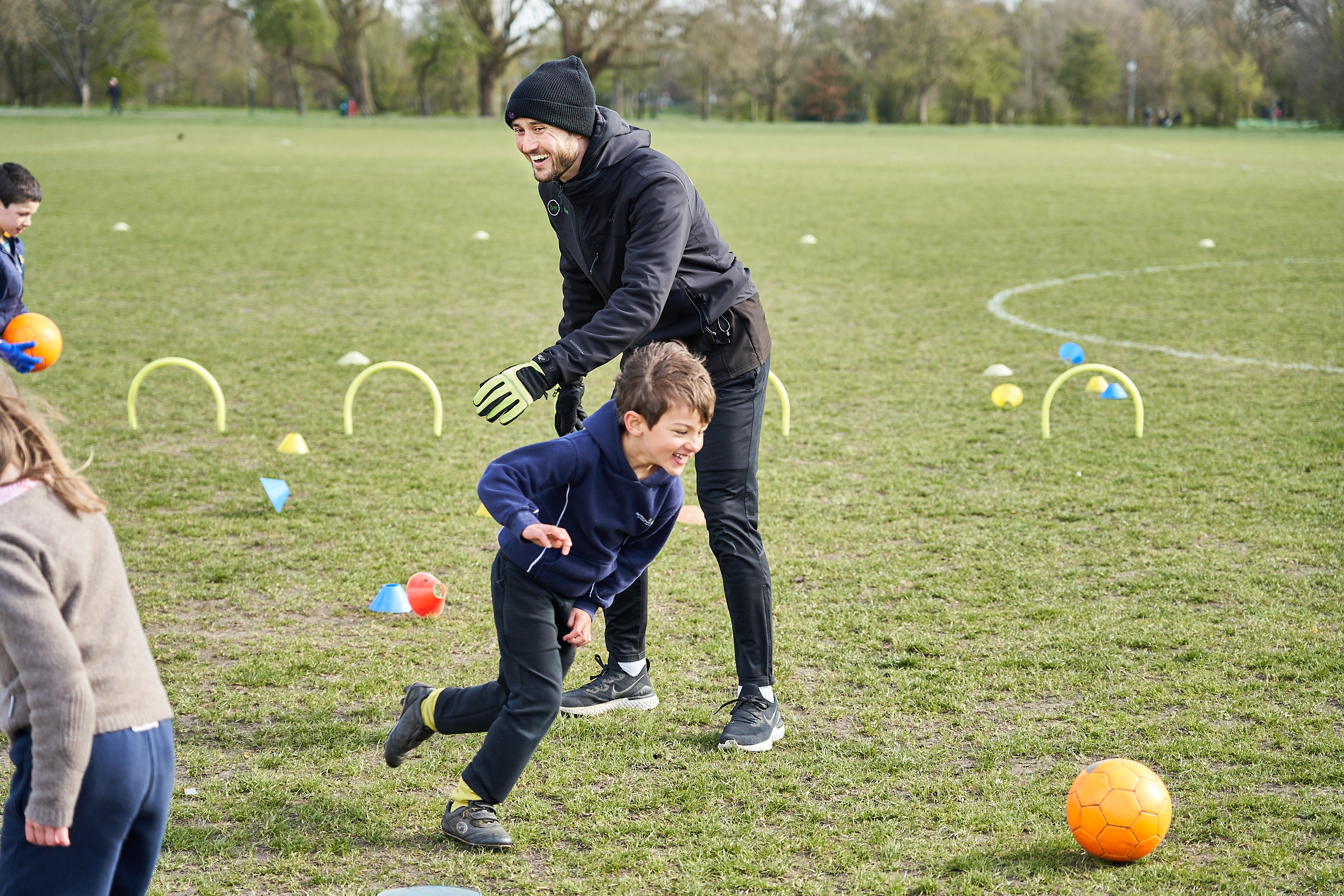
Physical activity provides a positive, shared space for autistic and neurotypical children alike to connect, communicate, and appreciate one another’s differences, making it an effective way to encourage acceptance and belonging for all. This not only aids in overall health but also serves as a meaningful tool for enhancing social and communication skills – which are typically under-developed in autistic children and adults. In this blog post we will take a closer look at how we can create a more inclusive and supportive atmosphere by promoting physical activity among autistic children.
The Stigma Around Being Autistic
“being autistic is a person’s feature, just like being tall, or short, or left-handed, or talented, or deaf, or blind, or dyslexic”.
It is commonplace to refer to autistic people with a person-first use of language – e.g. referring to someone as “someone with autism”. Whilst this is often well-meant, it represents an issue that exists within societal perceptions of autism, and one which could be perpetuating the difficulty for autistic individuals to integrate more easily and be more accepted by neurotypical individuals across different contexts. To refer to someone as ‘having autism’ or living ‘with autism’ is to separate their autistic way of thinking and being from their identity. We rightly do this with experiences that we often do not want to face – for example is it common to say that someone is “living with cancer”. And therein lies the implicit societal view of autism – it is framed as something we do not want.
This is understandable; often autism brings with it a host of difficulty, other diagnoses such as depression, anxiety, ADHD, obsessive compulsive disorder, and more. And it is especially challenging for the individual and all those who are caring for them at the more severe end of the spectrum of autism where complex physical and psychological disability can manifest. However, through discourse and an open attitude to difference, we can strive to create better environments for autistic individuals.
A small effort that can go a long way is to refer to an autistic person with identity-first language, rather than person-first language. When acknowledging someone as ‘autistic’, it avoids any implicit or subconscious discomfort with their uniqueness, and validates the aspect of their identity that is so central to their worldview and everyday experience in life. This is an example of a simple way in which the experience of autistic people can be better integrated into a society founded by neurotypical individuals – but there is more that can be done.