How Physical Activity Supports Mental Health Part 3: Fulfilling Our Basic Psychological Needs
Explore how physical activity benefits mental wellbeing through a social pathway: the fulfilment of basic psychological needs.
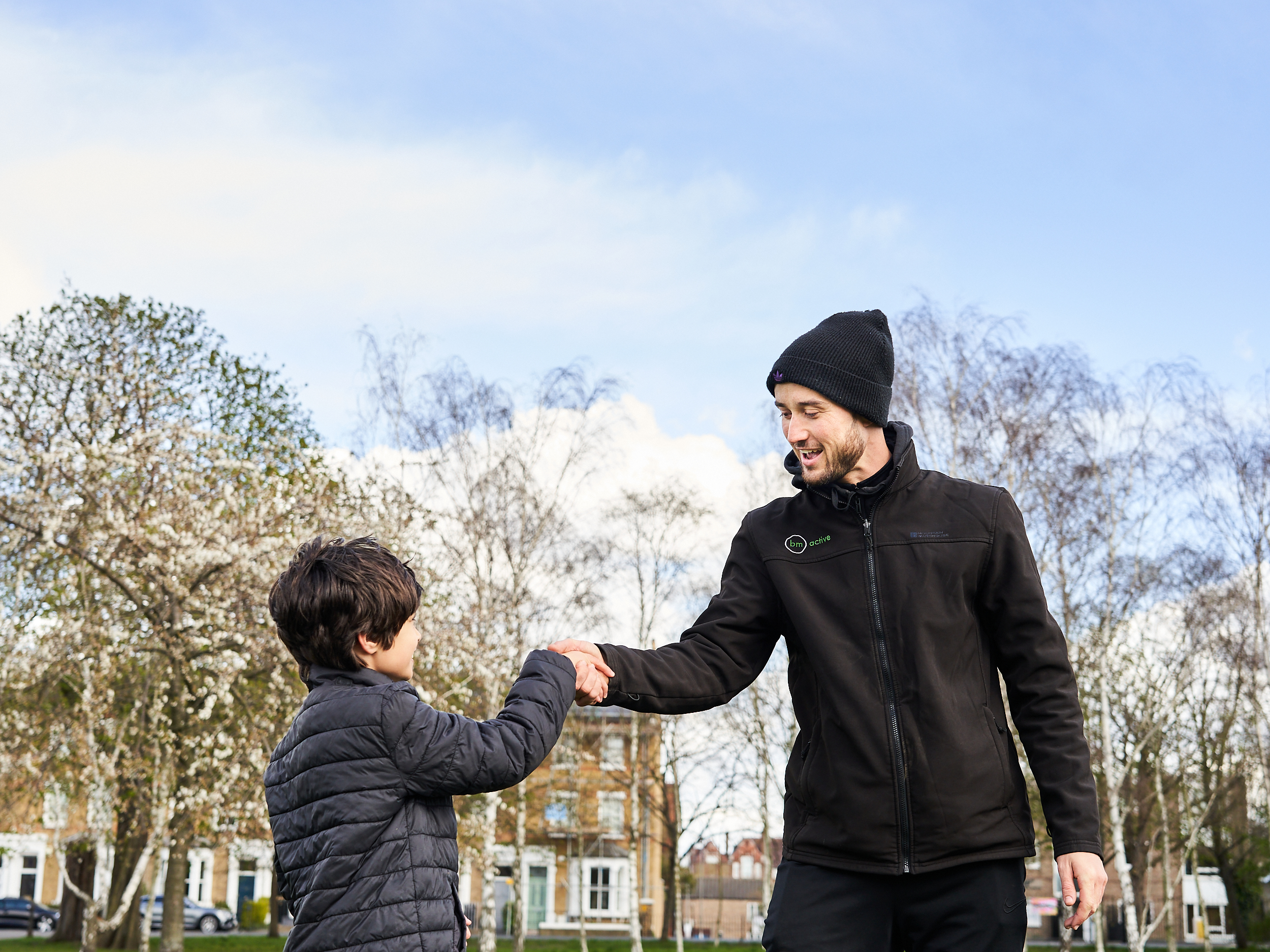
Physical activity is often praised for its physical and mental health benefits, but the mechanism through which this happens is nuanced and complex. In the first two parts of this blog post series, we spoke about the physiological and psychological pathways by which physical activity benefits our wellbeing (read here:). But a third pathway is its role in fulfilling our social needs. Beyond building strong muscles and reducing stress, engaging in physical activity can create powerful opportunities for social connection, personal growth, and a sense of accomplishment. When viewed through the lens of self-determination theory, developed by psychologists Ryan and Deci (2001), physical activity can satisfy three basic psychological needs of competency, relatedness, and autonomy. Importantly, these needs are either fulfilled or thwarted through the social environment, the fulfilment of which being essential for psychological well-being.
This blog post will explore how these needs are met through physical activity and why this matters especially in today’s modern society.
Competency: Building Self-Belief Through Activity
Competency is the feeling of being capable and effective in one’s intentions and actions. Physical activity provides endless opportunities to develop and demonstrate skills, whether it’s learning how to dribble a football, hit shuttlecock, or simply running for longer than last week’s run.
For children, in particular, who are constantly trying to figure their level of competency in many new and developing contexts, achieving physical milestones fosters a sense of accomplishment and builds confidence. When a child practices and sees progress—like finally kicking a soccer ball into the goal or swimming an extra lap—they feel capable and empowered. This sense of competency extends beyond the activity itself, often translating into other areas of life, such as academics and personal relationships.
However, it’s not all about outcomes – even engaging in the process of activity, experiencing failure and success can both equally support an individual’s sense that they can at least begin to try. Even if they fail, they learn that they can be ok after not succeeding, leading to a greater sense of general competency in life.
In schools, PE classes and sports programs can help children discover their strengths and build resilience. By celebrating involvement and progress if it occurs, teachers and parents can reinforce the value of effort and persistence. Competency is not about being the best but about improving and feeling proud of one’s growth. This can help children build a positive self-image and stay motivated in other areas of their lives.